

- Home/
- Buy Ivermectin at Low Price in United Kingdom Online
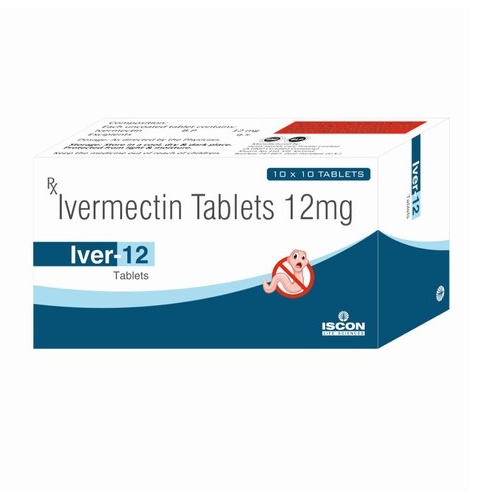
Can Ivermectin be obtained without a prescription in the United Kingdom?
No, Ivermectin is a prescription-only medicine (POM) in the United Kingdom. It cannot be legally obtained without a prescription from a qualified healthcare professional. Self-medication or sourcing it from unregulated suppliers is unsafe and illegal.
Key Takeaways: What to Know About Ivermectin in the UK
- Ivermectin is only available with a prescription from a UK-registered doctor or specialist.
- It is primarily prescribed for parasitic infections such as scabies and certain types of worm infestations; off-label use is highly restricted.
- Do not use Ivermectin for viral illnesses (such as COVID-19) — this is not supported by UK or international guidelines.
- Most patients experience improvement in symptoms within days when used correctly, but follow-up is essential to monitor for side effects or treatment failure.
- Only obtain Ivermectin from regulated UK pharmacies to avoid counterfeit or unsafe products.
- Always consult your doctor if you have a history of liver or kidney disease, are pregnant, or are taking other medicines.
What is Ivermectin and what is it used for in the UK?
Ivermectin is an antiparasitic medicine used in the United Kingdom primarily for treating specific infestations such as scabies, head lice (when topical therapy fails), and certain types of intestinal and tissue worm infections (including strongyloidiasis and onchocerciasis). In rare, carefully controlled settings, it may also be used for other off-label indications on the advice of a specialist, but such use must always follow a thorough risk-benefit assessment.
In the UK, Ivermectin is not licensed for the treatment of viral infections such as COVID-19. The Medicines and Healthcare products Regulatory Agency (MHRA) and the NHS have issued specific guidance warning against its use for these purposes.
A typical course of Ivermectin is short (often one or two doses for scabies), but in some types of parasitic worm infections, repeat dosing or longer courses may be recommended under specialist supervision.
How does Ivermectin work? Understanding its mechanism of action
Ivermectin targets glutamate-gated chloride channels, a type of protein found on the nerve and muscle cells of many parasites. By binding to these channels, Ivermectin increases the flow of chloride ions into the cells, leading to paralysis and death of the parasite (PubMed). Importantly, these channels are not present in humans, which is why Ivermectin can selectively target parasites while sparing human tissues at therapeutic doses.
At a molecular level, Ivermectin acts as an agonist to these channels, causing persistent opening and thus disrupting normal nerve signalling in susceptible parasites. This differs from other antiparasitic drugs that may inhibit metabolic enzymes or disrupt cell division.
Simplified metaphor: Imagine Ivermectin as a key that jams a lock on the parasite’s “nerve switchboard,” leaving it unable to move or function, eventually causing its death.
Ivermectin does not require any special triggers to become active; its effect begins once sufficient drug levels are achieved in the bloodstream after oral administration.
Why Patient Expectations for Ivermectin Can Differ from Clinical Reality
As an infectious diseases specialist, I often see patients who expect Ivermectin to provide near-instant relief from symptoms, especially with conditions like scabies where skin irritation can be intense. In reality, while the drug quickly paralyzes and kills parasites, the body’s reaction to dead mites or worms (such as itching or rash) can persist for several weeks. Many patients also underestimate the importance of environmental decontamination and household treatment for infestations like scabies—simply taking the medicine is rarely enough for complete eradication. I have also encountered the misconception that Ivermectin can treat a broad range of infections, when in fact its use is highly specific and should not be extended to viral illnesses without robust evidence. One point patients rarely ask, but should, is how previous treatments, immune status, or coexisting conditions might affect both the response to and side effects of therapy.
How is Ivermectin taken? Dosage, timing, and duration
Ivermectin is taken orally as a tablet. The most common strength available in the UK is 3 mg per tablet. Dosage is typically calculated based on body weight, with standard regimens of 200 micrograms per kilogram (0.2 mg/kg) as a single dose, sometimes repeated after one to two weeks depending on the indication (eMC).
- For scabies: Usually one dose, repeated after 7-14 days if necessary.
- For strongyloidiasis: Typically a single dose, but may be repeated.
- Maximum dose: Should not exceed 400 micrograms/kg per day unless under explicit specialist direction.
Tablets should be taken on an empty stomach with a full glass of water. Crushing or splitting the tablet is not generally recommended unless specifically advised, as this can affect absorption.
Peak effect is usually reached within 4-5 hours. Most patients see improvement in symptoms (such as reduction in itching) within a few days, but a full response—especially for dermatological signs—may take 2-4 weeks.
Dose adjustments may be needed in elderly patients or those with significant liver disease. Always follow your doctor’s instructions.
How does food, alcohol, and lifestyle affect Ivermectin?
Food: Taking Ivermectin with a fatty meal can increase its absorption and blood levels, potentially raising the risk of side effects. Therefore, it is advised to take it on an empty stomach (one hour before or two hours after meals).
Alcohol: There are no direct, absolute interactions, but alcohol can increase liver strain — especially in those with pre-existing liver disease or prolonged therapy. Avoid drinking alcohol on the day of treatment and for 24 hours after.
Grapefruit juice: Grapefruit can inhibit enzymes (mainly CYP3A4) involved in Ivermectin metabolism, possibly leading to increased drug levels and side effects. Avoid consuming grapefruit or its juice while taking Ivermectin.
Lifestyle factors: Personal hygiene and environmental cleaning are vital for successful treatment of infestations like scabies. Launder bedding and clothing at high temperatures, and treat close contacts if advised.
Who should not use Ivermectin? Absolute and relative contraindications
- Absolute contraindications:
-
- Known allergy to Ivermectin or tablet excipients (inactive ingredients, which may include lactose or other fillers).
- Children under 15 kg body weight (or under 5 years old) — safety data are insufficient.
- Pregnancy: Use is not recommended unless potential benefit outweighs risk (see below under special groups).
- Concurrent use with certain drugs: e.g., other medications that may increase the risk of neurotoxicity (such as barbiturates or benzodiazepines) — always discuss with your doctor.
- Relative contraindications (use with caution):
-
- Severe liver impairment: Ivermectin is metabolised in the liver; dose adjustments and close monitoring may be required.
- Severe kidney dysfunction: While most elimination is via the gut, caution is still advised in advanced renal disease.
- Meningitis or conditions with compromised blood-brain barrier: Rare risk of CNS side effects is increased in these cases.
- Breastfeeding: Discuss risks and benefits individually; small quantities may appear in breastmilk.
Drug interactions: Avoid combining with other drugs affecting the central nervous system unless directed by a specialist.
What side effects are most common with Ivermectin?
Side effects are usually mild and transient, but some can be serious. The following classification is based on frequency and UK pharmacovigilance data (MHRA Yellow Card).
- Very common (>1/10): Dizziness, gastrointestinal upset (nausea, diarrhoea), mild skin rash.
- Common (1/100–1/10): Itching, swelling of lymph nodes, headache, muscle pain, fatigue.
- Rare (1/10,000–1/1,000): Facial swelling, shortness of breath, confusion, visual disturbances.
- Very rare (<1/10,000): Severe skin reactions (Stevens-Johnson syndrome), encephalopathy (especially in heavy Loa loa infection), seizures.
Mechanisms: Some side effects, such as itching or rash, are due to the body’s immune response to dying parasites rather than the drug itself. Dizziness and fatigue may result from the drug’s low-level effect on human GABA receptors in rare cases.
What to do if you experience a side effect: Stop the medicine and seek immediate medical attention if you develop swelling of the face, difficulty breathing, or a severe rash. For milder symptoms (headache, mild nausea), report them to your doctor — most resolve within a few days.
Typical Mistakes Patients Make When Using Ivermectin
- Taking the medicine with food — This can increase absorption and the risk of side effects; always take on an empty stomach.
- Failing to repeat the dose when instructed — Some infestations (like scabies) require a second dose after 1–2 weeks for full effect. Missing the repeat dose may lead to treatment failure.
- Ignoring environmental decontamination — Not washing bedding, towels, or treating household members can result in re-infestation.
- Stopping treatment early due to persistent itching — Itching can persist for up to 4 weeks post-treatment even if the infestation is gone. Do not take extra doses without medical advice.
- Using unverified online sources to obtain Ivermectin can result in counterfeit products or incorrect dosing, increasing health risks.
- Combining with contraindicated medicines without medical supervision, especially sedatives or drugs affecting the nervous system.
How does Ivermectin compare to alternative antiparasitic drugs?
Ivermectin is often compared to permethrin (for scabies and lice) and albendazole (for worms) in UK clinical practice. Here is a concise comparison on key points:
| Drug | Licensed Indications (UK) | Typical Onset | Usual Duration | Common Side Effects | Cost per Course* |
|---|---|---|---|---|---|
| Ivermectin | Scabies, strongyloidiasis, head lice (off-label), onchocerciasis | 1–3 days | Single or two doses (repeat in 7-14 days) | GI upset, dizziness, rash | £20-£40 (dependent on dose and pharmacy) |
| Permethrin (topical) | Scabies, head lice | Hours–1 day | 1–2 applications, 7 days apart | Skin irritation, burning | £5-£12 (per tube, NHS or OTC) |
| Albendazole | Intestinal worms, hydatid disease | 1–3 days | Single dose or up to several weeks for some infections | Liver enzyme rise, headache | £10-£25 (per usual course) |
* Prices are typical NHS dispensing prices in 2026. Private prescriptions may differ.
In short, Ivermectin offers convenience for systemic infestations or when topical treatments fail, but is more expensive and strictly prescription-only. Permethrin remains first-line for scabies and lice in most cases. Albendazole is the usual alternative for many worm infections.
Ivermectin: Summary Table of Key Characteristics
| Parameter | Value |
|---|---|
| Brand names (UK) | Stromectol, various generics |
| Available strengths | 3 mg tablets (occasionally 6 mg) |
| Administration | Oral, single or two-dose regimen |
| Typical adult dose | 200 mcg/kg (0.2 mg/kg) once; may repeat after 7-14 days |
| Peak plasma time | 4-5 hours |
| Half-life | ~18 hours |
| Metabolism | Liver (CYP3A4, CYP2D6 pathways) |
| Elimination | Bile and faeces (major), urine (minor) |
| Storage | Below 25°C, in original packaging |
Compatibility Check: Ivermectin with Other Medicines and Products
| Type of Product | Can it be Combined? | Consequences |
|---|---|---|
| Paracetamol | Yes | No known interaction |
| Ibuprofen | Yes | No significant interaction |
| Alcohol | Not recommended | May increase risk of liver side effects |
| Warfarin | Caution | Possible increase in INR, monitor closely |
| Benzodiazepines (e.g., diazepam) | Not recommended | May increase CNS side effects |
| Grapefruit juice | No | May increase Ivermectin levels/toxicity |
How is Ivermectin processed in the body? Pharmacokinetics explained simply
Once swallowed, Ivermectin is absorbed from the gut into the bloodstream, reaching peak concentration in about 4–5 hours. It is largely metabolised in the liver via the CYP3A4 enzyme pathway, and its breakdown products are mainly excreted in faeces (over 90%), with a small amount in urine.
Its half-life (the time taken for half the drug to be eliminated) is about 18 hours, but traces can remain for up to three days. This is important for patients with liver disease, as reduced metabolism may lead to increased side effects.
Ivermectin does not significantly accumulate with repeated dosing, but caution is advised in cases of impaired hepatic function.
Considerations for Special Patient Groups in the UK
- Children: Not recommended for those under 15 kg or under 5 years. Limited safety data.
- Elderly: Dose adjustments may be necessary in those with frail health or liver dysfunction.
- Pregnancy: Use only if benefits outweigh risks; animal studies show potential risk, but human data are limited. Always discuss with your obstetrician.
- Breastfeeding: Small amounts may pass into breastmilk; short courses under medical supervision are sometimes considered safe.
- Chronic liver/kidney disease: Careful monitoring is essential; alternative therapies may be preferred.
- Driving/operating machinery: Dizziness and somnolence can occur. Avoid driving or using heavy machinery for at least 24 hours after a dose until you know how you are affected.
- Fertility and family planning: No evidence of direct fertility impairment with short courses, but avoid use during conception attempts unless under specialist direction.
How to get Ivermectin in the UK: Step-by-step legitimate process
- Consultation: Book an appointment with your GP, sexual health clinic, or an infectious diseases specialist if you suspect a parasitic infection.
- Assessment and Diagnosis: The doctor will assess your symptoms, perform relevant examinations (skin scraping, stool sample, etc.), and confirm the need for Ivermectin.
- Prescription: If indicated, your doctor will issue an electronic or paper prescription. For certain conditions, referral to a hospital specialist may be required.
- Pharmacy Fulfilment: Take your prescription to a registered pharmacy. Some community and hospital pharmacies stock Ivermectin; if not, they can usually order it within 24–48 hours.
- Advice and Follow-up: The pharmacist will provide dosing and safety instructions. Schedule follow-up with your doctor to assess effectiveness and monitor for side effects.
- Telemedicine: Many private telehealth services in the UK can arrange consultations and, where appropriate, dispatch prescriptions directly to your address using reputable, MHRA-registered partner pharmacies.
Staying Safe: How to identify a legitimate online pharmacy in the UK
- Only use pharmacies displaying the MHRA’s EU Common Logo for online sales — this can be verified at the MHRA online pharmacy register.
- A genuine UK pharmacy will always require a valid prescription for Ivermectin; if a website offers it without one, it is illegal and unsafe.
- Watch out for warning signs: unbranded packaging, offers of “bulk” or “cheap” Ivermectin, refusal to provide pharmacist contact details, or non-UK phone numbers.
- Avoid sites based outside the UK; medicines supplied may not meet UK safety or quality standards and could be intercepted by customs.
- Always check for customer service contact details and a valid UK address.
Counterfeit medicine risks include lack of active ingredient, incorrect dosing, dangerous contaminants, and lack of efficacy. If in doubt, contact the MHRA for advice.
How to spot counterfeit Ivermectin and understand generics
Original vs counterfeit:
- Genuine Ivermectin tablets in the UK are supplied in sealed blisters, with batch numbers, expiry dates, and manufacturer details clearly printed.
- The tablet is typically oval, white, and scored, with clear, consistent font and no smudging on the packaging.
- Many generics are available; these must meet the same MHRA quality standards as branded products (e.g., Stromectol).
- Beware of: Unusually low prices, unsealed blister packs, packaging in languages other than English, missing manufacturer information, or lack of batch/expiry data.
Key advantage: Generics offer a cost-effective alternative without compromising quality, provided they are dispensed via a licensed UK pharmacy.
What does genuine Ivermectin look like? Quality Assurance
- Tablet appearance: White, oval or round, with a scored mark for splitting (if approved by the manufacturer).
- Packaging: Sealed blisters inside a labelled carton. The box and blister must list the product name, strength, batch number, expiry date, and manufacturer.
- Security features: Some brands include holograms or QR codes for verification; check the manufacturer’s website for details.
- Patient Information Leaflet (PIL): Should be present and in English, with detailed dosing and safety information.
If your product looks different than described or lacks any of these features, do not use it and consult your pharmacist or the MHRA.
What to do in case of accidental overdose
- Stop taking Ivermectin immediately.
- Call 999 or your local emergency number and explain you have taken an overdose of Ivermectin, including the amount and time of ingestion.
- Keep the packaging with you for reference by healthcare professionals.
- Do not try to induce vomiting unless instructed by a medical professional.
Symptoms of overdose may include severe dizziness, confusion, visual disturbances, vomiting, or seizures. Prompt treatment improves outcomes.
Acknowledging the psychological impact of parasitic infections
Dealing with conditions like scabies or worm infestations can be distressing and isolating, but these issues are common and treatable. If you are feeling overwhelmed, speak with your GP or a trusted professional—support and effective treatment are available.
Questions Frequently Asked to Doctor
- How soon will I start to feel better after taking Ivermectin?
- Many patients notice reduced symptoms within 2–3 days, but full skin recovery (especially for scabies) may take several weeks. If you see no improvement after one week, contact your doctor for reassessment.
- Can Ivermectin cure all types of worm infections?
- No, Ivermectin is effective against certain types of worms (such as strongyloides and onchocerca), but not tapeworms or all roundworms. Your doctor will select the most appropriate medicine based on your diagnosis.
- Why do I still itch after taking Ivermectin for scabies?
- Itching often persists for weeks after successful treatment due to lingering immune response to dead mites. This is normal and does not mean treatment has failed. However, if new burrows appear or itching worsens, seek further evaluation.
- Is it safe to take Ivermectin if I have liver problems?
- Ivermectin is metabolised in the liver. Mild liver disease often requires no change, but with moderate to severe impairment, your doctor may reduce the dose or suggest an alternative. Close monitoring is important in these cases.
- Will I have to treat household members if I am diagnosed with scabies?
- Yes, close contacts should be treated simultaneously to prevent reinfection, even if they do not have symptoms. Your doctor will provide advice tailored to your household situation.
- How will my doctor monitor my response to Ivermectin?
- Follow-up appointments are standard practice to assess symptom relief, check for side effects, and confirm eradication. Some infections require repeat laboratory tests or physical examination.
- Can I use topical treatments at the same time as oral Ivermectin?
- In some infestations, combination therapy (for example, permethrin cream plus Ivermectin tablets) may be recommended for enhanced effectiveness. Follow your doctor’s instructions carefully.
doctor’s Practical Treatment Assessment for Ivermectin
In my clinical experience, Ivermectin is most beneficial for patients who have failed topical therapy for scabies or lice, or those with systemic parasitic infections such as strongyloidiasis. It is particularly useful for individuals in residential settings (such as care homes) where outbreaks can be hard to control with topical agents alone. However, I do not routinely recommend it for children under 15 kg, pregnant women, or individuals with significant liver or kidney impairment, unless the infection is severe and alternative options are unsatisfactory. For patients with only mild skin involvement or those who can comply with topical regimens, permethrin remains the first-line choice because of its lower systemic risk profile and cost-effectiveness. When considering Ivermectin, I always weigh the risk of neurotoxicity (particularly in those with compromised blood-brain barriers) and the logistics of follow-up, especially for household contacts. If a patient’s symptoms persist after two doses, or if side effects arise, I reassess for misdiagnosis, possible reinfection, or rare resistance—adjusting therapy accordingly.
FAQ: Quick Answers to Common Questions about Ivermectin in the UK
- Is Ivermectin available without a prescription in the UK?
- No, it is a prescription-only medicine. It cannot be legally obtained without a prescription from a qualified UK doctor.
- How much does Ivermectin cost in the UK?
- A typical course costs between £20 and £40 via prescription at most community pharmacies. NHS coverage exists for licensed indications; private prescriptions may vary.
- Can Ivermectin be used to treat COVID-19?
- No, there is no robust evidence supporting its use for COVID-19, and both the MHRA and NHS advise against it for this purpose.
- What should I do if I miss a dose?
- Contact your doctor for specific advice. Do not double up doses unless instructed.
- Can pregnant or breastfeeding women use Ivermectin?
- It is not recommended in pregnancy unless absolutely essential. In breastfeeding, short courses may be considered safe with medical supervision.
- How should I store Ivermectin tablets?
- Store below 25°C, in their original packaging, out of reach of children, and away from moisture.
- What are the main side effects?
- Most commonly, mild stomach upset, dizziness, or skin itching. Serious allergic reactions are rare but require urgent attention.
- Can I drive after taking Ivermectin?
- Avoid driving or operating machinery for at least 24 hours after a dose until you are confident you do not experience dizziness or confusion.
- How long does a typical course of Ivermectin last?
- Often a single dose, sometimes repeated after 1–2 weeks depending on the condition treated.
- Is it safe to buy Ivermectin from foreign websites?
- No. Unregulated sources may supply counterfeit or unsafe products and are not legal in the UK.
References
- Medicines and Healthcare products Regulatory Agency (MHRA). https://www.gov.uk/government/organisations/medicines-and-healthcare-products-regulatory-agency
- National Health Service (NHS). https://www.nhs.uk/
- Electronic Medicines Compendium (eMC). https://www.medicines.org.uk/emc/
- PubMed. Campbell WC. “Ivermectin and Abamectin.” https://pubmed.ncbi.nlm.nih.gov/33768312/
- World Health Organization (WHO). https://www.who.int/
- ClinicalTrials.gov. https://www.clinicaltrials.gov/
- MHRA Yellow Card Reporting. https://yellowcard.mhra.gov.uk/
- Mayo Clinic. https://www.mayoclinic.org/