

- Home/
- Buy Neurontin Online in the United Kingdom – Fast and Secure Purchase
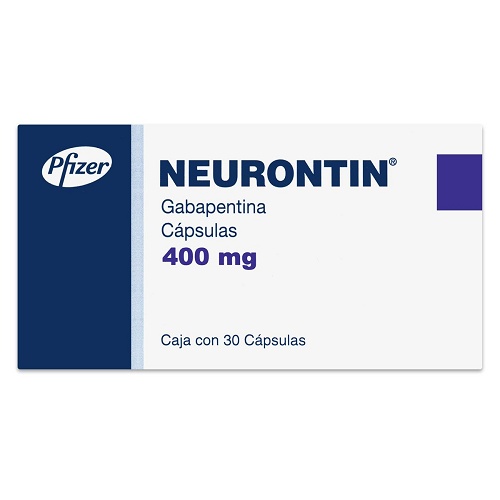
Neurontin (gabapentin) is a prescription-only medication used to manage certain types of nerve pain—especially neuropathic pain—when other options haven’t brought relief. For patients in the UK, the most important thing to know is that Neurontin can offer meaningful pain control for some, but it works differently from standard painkillers and isn’t right for everyone: understanding when it helps, what to expect, and how to use it safely is key.
Why Neurontin? A Real Moment in UK Neuropathic Pain Care
Imagine a woman in Leeds, waking at 3 a.m. for the third night in a row with a burning pain shooting down her leg—a pain that paracetamol and codeine have failed to touch. Her GP mentions Neurontin. Not a painkiller in the classic sense, but something different. For many patients in the UK, the journey to Neurontin begins with frustration: standard pain medicines haven’t worked, and the pain is starting to rewrite daily life. Nerve pain like this—neuropathic pain—doesn’t always behave the way people expect. It lingers. It flares. Simple movement, even a brush of the bedsheet, can trigger agony.
Neurontin steps into this clinical moment as a deliberate choice. It’s not prescribed for backache or garden-variety aches: its remit is far narrower and more specific. In the NHS, gabapentin (the active medicine in Neurontin) is mainly considered when pain has a nerve origin—from conditions like diabetic neuropathy, post-herpetic neuralgia (after shingles), or radicular pain that hasn’t responded to the basics. GPs and pain specialists don’t reach for it lightly: Neurontin’s place in UK pain care is built on need, not on routine.
“Most of my patients arriving at this point have already tried several other treatments without relief. The expectation is rarely instant pain control; instead, it’s about giving the nervous system a fair chance to quieten down. Patients sometimes find this surprising—Neurontin is not a magic switch, but when it works, it can make the intolerable tolerable.”
Understanding why Neurontin is suggested—and what type of pain it actually treats—can change the entire experience of starting this medication. It’s not about numbing all pain, but about targeting the misfiring nerves at the source of the problem.
Gabapentin’s Role: When and Why It’s Chosen for Neuropathic Pain
The real rationale for choosing gabapentin in neuropathic pain isn’t its ability to block sensation directly, but its effect on nerve signalling itself. Neuropathic pain is unique: it’s not caused by tissue injury alone, but by faulty electrical signals in damaged nerves. Gabapentin works by modulating those signals, reducing the overactivity that leads to burning, tingling, or shooting pain.
In the UK, clinical guidelines from NICE (National Institute for Health and Care Excellence) recommend gabapentin as one of the first-line options for neuropathic pain when simpler medicines fail to bring relief. But the real-world story is more nuanced. Not everyone responds, and when the drug works, the effect is gradual—not immediate. For some, pain fades into the background over weeks. For others, the benefit is less clear, and side effects become the main story.
- Neuropathic pain
- Pain arising from nerve damage or dysfunction, often described as burning, shooting, or electric shock-like. Examples include diabetic neuropathy, post-herpetic neuralgia, and some types of sciatica.
Gabapentin’s role in the UK is also shaped by its side effect profile, potential for interactions, and the need for careful dose titration. It’s not a one-size-fits-all medicine, and that shapes how doctors and patients use it together.
Neurontin Versus Alternatives: What Makes the Difference?
| Medication | Active Ingredient | Primary Indications (UK) | Mechanism | Onset of Relief | Common Side Effects | Key Contraindications | NHS Prescription Status |
|---|---|---|---|---|---|---|---|
| Neurontin | Gabapentin | Peripheral neuropathic pain (e.g., post-herpetic neuralgia, diabetic neuropathy) | Modulates calcium channels to dampen abnormal nerve firing | 1–4 weeks | Drowsiness, dizziness, peripheral oedema | Severe renal impairment, allergy to gabapentin | Prescription only |
| Lyrica | Pregabalin | Peripheral and central neuropathic pain, generalised anxiety disorder, epilepsy | Similar to gabapentin, but with different absorption | 1–2 weeks | Dizziness, sleepiness, weight gain | Severe renal impairment, allergy to pregabalin | Prescription only |
| Amitriptyline | Amitriptyline | Neuropathic pain, depression, migraine prevention | Tricyclic antidepressant; modulates neurotransmitter reuptake | 1–3 weeks | Dry mouth, drowsiness, constipation | Recent heart attack, arrhythmias, severe liver disease | Prescription only |
Gabapentin (Neurontin) stands apart from amitriptyline by causing less anticholinergic side effects (like dry mouth and constipation), but it may cause more dizziness or unsteadiness, especially in older adults. Compared to pregabalin (Lyrica), gabapentin tends to be slightly less potent milligram for milligram, but both share similar mechanisms and side effect profiles. The main difference is often in absorption and how the body handles the drug—pregabalin is absorbed more predictably, which can mean fewer dose adjustments, but comes at a higher NHS cost.
For patients, these differences translate into practical decisions: tolerance, effectiveness, daily functioning, and—importantly—what the NHS will actually prescribe in your area. While all three are considered first-line agents for neuropathic pain in the UK, the choice often depends on individual side effect profiles, co-existing conditions, and cost considerations within the NHS formulary.
Living with Neurontin: Realities of Use in the UK
Starting Neurontin isn’t like popping an ibuprofen for a sprained ankle. Most patients are surprised by how slowly gabapentin doses are increased, and how much trial and error is needed to find the right balance between relief and side effects. You might begin with a low dose—maybe 300 mg at night—then slowly add more as your body adjusts. This gradual build-up is designed to reduce unpleasant effects like dizziness, drowsiness, and, in some, swelling in the ankles or feet.
- Gabapentin does not work immediately; most people only notice a real benefit after several weeks.
- The most common initial experience is sleepiness or ‘brain fog’, which may fade after a few days to weeks.
- Neurontin is not addictive in the classic sense, but some patients develop dependence—especially with higher doses or longer-term use.
- Alcohol can worsen side effects, and driving is not advised until you know how you react to the medication.
- Regular reviews with your GP are standard. The NHS expects your response to be monitored and the prescription to be revisited at intervals.
Clinical Tip: If you experience sudden swelling of the legs, severe drowsiness, or new confusion after starting Neurontin, speak to your GP urgently. These are not routine side effects and may require stopping the medication.
The day-to-day reality of Neurontin is shaped by gradual adjustments and honest conversations about what’s changing. Relief is possible—but it’s rarely instant, and it doesn’t look like the painkiller experience most patients expect.
When to Expect Benefit—And When to Rethink the Plan
Patients often ask, “How soon will I notice Neurontin working?” The honest answer: it varies. Clinical trials and NHS guidance both suggest that meaningful pain relief may take anywhere from one to four weeks, sometimes longer. Some patients feel improvement within days, but for most, the shift is gradual—a fading of sharp or burning pain, a reduction in the number of “bad days”, not a dramatic transformation overnight.
Only about 3 in 10 patients with neuropathic pain experience at least a 50% reduction in pain on gabapentin, according to systematic reviews (Cochrane Library).
This reality shapes expectations. Gabapentin is not guaranteed to work for everyone with nerve pain. It’s a trial: if no benefit is seen after a reasonable period at an adequate dose, your doctor will discuss stepping down and trying another approach. The real skill is knowing when to persist and when to move on, avoiding both premature drop-outs and overlong, unhelpful trials.
For some, adjusting the dose or combination with another medication (such as an antidepressant) may open a window to relief. For others, side effects or the simple lack of response mean it’s time for a re-think. In the NHS, this conversation happens with the GP or pain clinic, who will want to review both the intensity of pain and the impact on daily life before deciding the next step.
Getting the Dose Right: Neurontin Dosing in Practice
Neurontin dosing in the UK is anything but fixed. “Start low, go slow” is the mantra—especially for older adults, those with kidney problems, or anyone at higher risk of falls.
| Patient Group | Starting Dose | Typical Titration | Maximum Daily Dose |
|---|---|---|---|
| Standard adult | 300 mg at night | Increase by 300 mg every 2–3 days, split into 2–3 doses | 3600 mg (in divided doses) |
| Older adult (65+) | 100–300 mg at night | Increase more slowly; monitor for confusion, unsteadiness | Usually less than 1800 mg/day |
| Renal impairment | Start lower; adjust based on eGFR | Slower titration; sometimes alternate-day dosing | Lower maximum based on kidney function |
The table above shows standard dosing, but in practice, doctors make adjustments based on your age, kidney health, and how well you tolerate side effects. The goal is always the lowest effective dose, not the highest you can stand. For many, this means stopping at far lower than the theoretical maximum, especially if side effects begin to outweigh the benefits.
Which Side Effects Matter Most with Neurontin—and When to Act
Drowsiness, dizziness, and swelling are the most common reasons patients in the UK stop Neurontin. Less commonly, blurred vision, memory problems, or unusual mood changes can appear. Most side effects are dose-related and tend to fade as the body adapts, but not always.
“I tell patients: if you feel so unsteady that walking is unsafe, or if your confusion makes it hard to manage basic tasks, don’t wait. Let us know. The same goes for any new swelling, especially if it’s in both legs or associated with shortness of breath.”
| Side Effect | How Common? | When to Contact Your Doctor |
|---|---|---|
| Drowsiness / Fatigue | Very common (10%+) | If severe, persistent, or affects daily activities |
| Dizziness / Unsteadiness | Very common (10%+) | If you fall, feel unsafe walking, or it worsens |
| Swelling (oedema) | Common (1–10%) | If sudden, in both legs, or with breathlessness |
| Confusion / Memory Issues | Common (1–10%) | If new, severe, or affects function |
| Mood changes / Suicidal thoughts | Rare (<1%) | Immediately—do not delay |
| Allergic reaction (rash, swelling, breathing difficulty) | Rare (<1%) | Immediately—seek emergency help |
Most side effects settle with dose adjustment, but a sudden change—new confusion, mood swings, or any signs of allergy—should prompt a call to your GP straight away. For drowsiness or dizziness, lowering the dose or changing dosing times can help, but never make changes without discussing them with your doctor or pharmacist.
When Not to Take Neurontin: Who Should Avoid It and Why
- Known allergy to gabapentin or any ingredient in Neurontin. Reactions can include rash, swelling, or breathing difficulties. If this has ever happened, Neurontin is ruled out completely.
- Severe renal (kidney) failure. Gabapentin is excreted through the kidneys. In advanced kidney disease, dosing must be drastically reduced or avoided altogether to prevent dangerous accumulation.
- History of drug or alcohol misuse. Gabapentin can lead to dependence or misuse, especially in higher doses or when combined with other sedatives.
- Severe respiratory insufficiency. Gabapentin can depress breathing, especially if combined with other medications that slow respiration.
- Pregnancy and breastfeeding. Evidence for safety is limited; Neurontin is used only if benefits clearly outweigh risks, and usually after specialist review.
Always discuss your complete medical history with your GP before starting Neurontin. NHS guidelines require regular review of ongoing need and risk, especially for anyone at higher risk of harm.
Access, Prescription, and Cost: Navigating Neurontin in the UK NHS
Neurontin is a prescription-only medicine in the UK, regulated by the Medicines and Healthcare products Regulatory Agency (MHRA). Since 2019, gabapentin is classified as a controlled drug (Class C) due to concerns about misuse and diversion, which means prescriptions are subject to stricter rules than many other pain medicines.
- Neurontin must be prescribed by a UK-registered doctor, typically after review of previous pain treatments and a clear diagnosis of neuropathic pain.
- Pharmacies require the original prescription to dispense Neurontin—repeat prescriptions can be arranged through your GP, but may require regular reviews and monitoring.
- NHS prescriptions are usually covered by standard prescription charges, unless you are exempt (children, pensioners, certain chronic conditions).
- Private pharmacies may dispense Neurontin with a private prescription, but cost varies and is often higher than NHS co-payments.
- Online “pharmacies” must be registered with the General Pharmaceutical Council (GPhC) and comply with UK law. Beware any site offering Neurontin without a valid prescription—this is illegal and unsafe.
Access Note: Under NHS guidelines, continued prescriptions of gabapentin require periodic review. If you do not attend follow-up appointments or fail to demonstrate ongoing benefit, your GP is likely to stop or taper the medication.
Pricing for Neurontin generics is set centrally for the NHS, and most patients receive the generic version (gabapentin) rather than the branded product. For those paying standard NHS charges, the cost per prescription is currently £9.65 (2024). If you need multiple items, consider a prescription prepayment certificate (NHSBSA).
FAQs: What Patients in the UK Really Ask About Neurontin
- 1. Is Neurontin addictive, and do I need to worry about dependence?
- While Neurontin was long thought to have low addiction potential, recent NHS guidance recognises the real risk of dependence—particularly with higher doses or in those with a history of substance misuse. If you take Neurontin for a long time, do not stop abruptly; always discuss tapering with your doctor.
- 2. Can I drive or operate machinery while taking Neurontin?
- Gabapentin can cause drowsiness, dizziness, and difficulty concentrating, especially when starting treatment or increasing the dose. You should avoid driving or using heavy machinery until you know how the drug affects you. Driving while impaired is illegal and unsafe.
- 3. What if I miss a dose of Neurontin?
- If you miss a dose, take it as soon as you remember unless it is almost time for your next dose—then skip the missed one. Do not double up. Missing occasional doses is not dangerous, but regular missed doses may affect pain control.
- 4. Are there any foods or medicines I should avoid?
- Alcohol can increase the risk of side effects like drowsiness and dizziness. Some antacids (containing aluminium or magnesium) may reduce gabapentin absorption—take gabapentin at least 2 hours after such antacids. Always provide your GP and pharmacist with a current medicines list.
- 5. How do I know if Neurontin is working for my pain?
- Relief is typically gradual. Keep a diary of pain intensity and frequency, as well as any side effects. If you see no improvement after several weeks at a reasonable dose, consult your GP—there may be better options for you.
- 6. Can I use Neurontin for back pain or headaches?
- Gabapentin is only recommended for neuropathic (nerve) pain. It is not effective for common back pain, headaches, or arthritis pain, unless there is a nerve injury component. Using it off-label for other pain is not supported by NHS guidelines.
- 7. How long will I need to take Neurontin?
- This varies. Some patients need short courses—perhaps a few months—while others may take it for years. Regular reviews are required under NHS policy to assess ongoing benefit and risk. If pain resolves or side effects outweigh benefits, your doctor may advise tapering off.
Sources & References
- National Institute for Health and Care Excellence (NICE). Neuropathic Pain: Pharmacological Management. NG173. 2021. https://www.nice.org.uk/guidance/ng173
- Medicines and Healthcare products Regulatory Agency (MHRA). https://www.gov.uk/government/organisations/medicines-and-healthcare-products-regulatory-agency
- NHS. Gabapentin for nerve pain. https://www.nhs.uk/medicines/gabapentin/
- Cochrane Library. Gabapentin for chronic neuropathic pain in adults. 2017. https://www.cochranelibrary.com/cdsr/doi/10.1002/14651858.CD007938.pub4/full
- British National Formulary (BNF). Gabapentin. BMJ Group and Pharmaceutical Press. https://bnf.nice.org.uk/drug/gabapentin.html
- Pfizer Ltd. Neurontin (gabapentin) Summary of Product Characteristics (SPC). 2023.
- NHS Business Services Authority. Prescription prepayment certificates. https://www.nhsbsa.nhs.uk/help-nhs-prescription-costs/nhs-prescription-prepayment-certificate-ppc
- General Pharmaceutical Council (GPhC). https://www.pharmacyregulation.org/