

- Home/
- Buy Prednisolone at Low Price in the United Kingdom
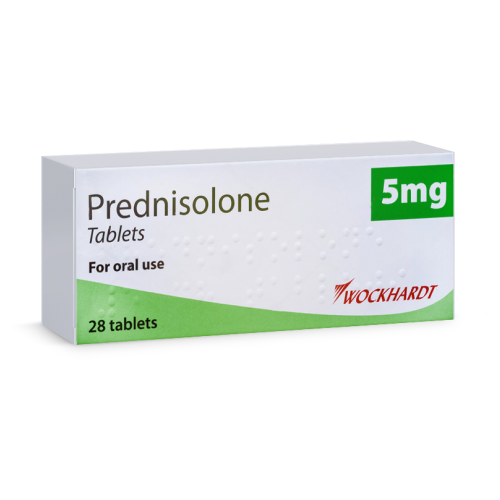
Is Prednisolone the Right Choice for Your Inflammation?
Imagine walking into your GP’s office in Manchester or Glasgow, swollen joints making each step a negotiation with pain. You’ve tried painkillers, maybe even an anti-inflammatory gel. The GP sits down, looks over your records, and suggests Prednisolone. Suddenly, the conversation feels different—this isn’t just about managing symptoms anymore, but changing how your immune system is behaving.
Most people arrive at Prednisolone not as a first stop, but as a next step—after NSAIDs, after topical treatments, sometimes after months of searching for answers. It’s a medicine prescribed when inflammation is not just inconvenient but disruptive, unrelenting, or dangerous: conditions like rheumatoid arthritis, severe asthma exacerbations, inflammatory bowel disease, or systemic allergies. In the United Kingdom, Prednisolone is firmly a prescription-only medication. GPs and specialists reach for it when the stakes are high: to preserve function, avoid hospitalisation, or prevent long-term organ damage.
“Prednisolone is the medication we use when inflammation itself becomes the threat—not just a symptom to soothe, but a process to interrupt. The decision to start isn’t about ‘toughing it out’—it’s about restoring your quality of life and, sometimes, protecting organs from irreversible harm.”
But here’s what most patients don’t realise: the decision to use Prednisolone is almost never just about the label on your diagnosis. It’s about timing, severity, what’s worked (and failed) so far, and your personal risk factors. Sometimes Prednisolone is a bridge—to get you through a crisis while other treatments begin to work. Other times, it’s a mainstay, used in low doses long-term with careful monitoring. And for a significant group, it’s not the right fit at all—either because the risks outweigh the benefits, or because another option targets their inflammation more precisely.
- Prednisolone may be recommended when: Your symptoms are severe, rapidly worsening, or not controlled by other medications.
- You may need a different approach if: You have certain infections, poorly controlled diabetes, osteoporosis, or have previously reacted badly to steroids.
- Ask your doctor: Is this the shortest effective course? Are there alternatives that would work as well for my type of inflammation?
The right choice isn’t just about what Prednisolone can do, but about what it means for you—right now, with your medical history, your life, and your goals.
How Prednisolone Actually Changes Inflammation—And What That Means for You
Prednisolone doesn’t just mask inflammation: it recalibrates the immune signals that make swelling, pain, and redness flare out of control. When you start this medication, you’re not just dampening symptoms—you’re asking your body to stand down from an inflammatory overreaction.
- What is happening inside your body?
- Prednisolone travels in your bloodstream, telling certain white blood cells to pull back on the release of inflammatory chemicals. This blunts the cycle that keeps inflammation burning, especially in autoimmune or allergic conditions.
- How quickly will you notice changes?
- Most patients in the UK notice improvement within days—sometimes hours for severe symptoms like asthma attacks or allergic reactions. For chronic conditions, improvement may be gradual.
- Why does this matter for your life?
- The right dose of Prednisolone can mean regaining movement, breathing easier, or even averting hospital admission. But it also means accepting that your immune response is being deliberately dampened—raising some unique risks.
- Less pain, swelling, or breathing difficulty—often swiftly, but sometimes subtly at first.
- Possible changes in mood, appetite, or sleep, as Prednisolone influences more than just inflammation.
- A need for monitoring: Prednisolone can mask signs of infection and affect blood sugar, blood pressure, and bone health.
No other medicine in the NHS arsenal works quite like Prednisolone for rapid, system-wide control of dangerous inflammation. But this power demands respect: the balance between benefit and risk must be actively managed, not assumed.
Taking Prednisolone Correctly: What Your Routine Will Look Like
What’s it like to actually take Prednisolone in the real world—not just on the prescription label? For most people, the answer is: a carefully timed routine, a morning ritual, and a set of checks that become part of daily life until the course ends.
- Prednisolone is usually taken once daily in the morning, with food, to mimic your body’s own natural steroid rhythm and to reduce stomach irritation.
- Doses vary widely: From a “burst” (high dose for a few days, then stopped or tapered), to a gradual reduction over weeks, to a maintenance dose for chronic disease.
- Do not stop suddenly: Your body adapts to Prednisolone. Stopping abruptly—even after just a couple of weeks—can cause symptoms worse than the original condition.
- Monitor for changes: Watch out for increased thirst, mood swings, changes in vision, or unexplained bruising.
Typical UK Prednisolone Dosing for Inflammation
| Condition | Typical Starting Dose | Duration / Taper | Special Considerations |
|---|---|---|---|
| Acute severe asthma (adult) | 40-50mg daily | 5-7 days, no taper if short course | Monitor for glucose rise if diabetic |
| Rheumatoid arthritis flare | 7.5-15mg daily | Taper over weeks | Bone protection if long-term |
| Ulcerative colitis flare | 40mg daily | Gradual taper over 6-8 weeks | Monitor for infection |
| Allergic reaction (severe) | 30-40mg daily | 3-5 days, then stop | Check for secondary infection |
These regimens illustrate the variety in Prednisolone dosing. Always follow your NHS doctor’s instructions—never “borrow” a schedule from someone else.
“I advise patients to keep a calendar, tick off each dose, and set a daily reminder. If you miss a dose, don’t double up—take the next dose as scheduled, and let your GP know if you miss more than one. Taking Prednisolone on an empty stomach increases your risk of indigestion or ulcers, so always have it with breakfast.”
Prednisolone routines may seem daunting at first, but most people quickly find a rhythm. The key is open communication with your GP or pharmacist—small tweaks can make a big difference in comfort and safety.
Which Side Effects Matter Most with Prednisolone—and When to Act
Some side effects of Prednisolone you might expect: increased appetite, weight gain, difficulty sleeping. Others—like blurred vision, sudden mood swings, or signs of infection—come as a surprise. The important distinction is not just which side effects are possible, but which actually require you to do something, and when.
Many people experience mild effects that fade as the dose lowers or the course ends. But a smaller group encounter serious complications, especially with high doses or long-term use. Understanding this risk landscape can help you act early and avoid harm.
Prednisolone Side Effect Safety Guide
| Side Effect | How Common? | When to Contact a Doctor |
|---|---|---|
| Increased appetite/weight gain | Very common | If rapid, unintentional, or distressing |
| Insomnia | Common | If severe or affecting daily function |
| Mood changes (anxiety, depression, irritability) | Up to 1 in 4 | Immediately if thoughts of harm or extreme shifts |
| High blood sugar (hyperglycaemia) | Common, especially if diabetic | If symptoms: thirst, frequent urination, confusion |
| Infection (fever, sore throat, cough) | Increased risk | Any persistent or unusual infection—do not delay |
| Stomach pain or bleeding | Uncommon | Severe pain, vomiting blood, or black stools: go to A&E |
| Eye problems (blurred vision, pain) | Rare but serious | Any new vision changes—see an optician or GP promptly |
| Easy bruising / skin thinning | Common with long-term use | If bruising is unexplained or severe |
This table does not cover every possible side effect, but it highlights those that are most relevant for patients in the UK. The bottom line: if you feel something is “not right” while taking Prednisolone, your GP or pharmacist would rather hear from you than risk a serious complication.
- Most side effects are dose- and duration-dependent. Many resolve as the dose is lowered or stopped.
- Regular monitoring—especially for blood pressure, blood sugar, and bone health—is recommended for anyone on Prednisolone longer than a few weeks.
- Some populations (children, elderly, those with underlying diabetes or mental health history) are at higher risk and require additional vigilance.
Prednisolone vs. Alternatives: When Does the Difference Matter?
Patients often wonder why Prednisolone was chosen over other anti-inflammatories, or whether “natural” steroid options or newer biologics might be safer or more effective. The answer depends on your specific type of inflammation, your medical history, and how quickly control is needed.
| Medication | How It Works | Onset of Effect | Common Uses | Key Risks | Prescription Status (UK) |
|---|---|---|---|---|---|
| Prednisolone | Suppresses immune response systemically | Hours to days | Acute severe inflammation, autoimmune flares | Weight gain, infection risk, mood changes, bone loss | Prescription-only |
| Ibuprofen (NSAID) | Blocks prostaglandin synthesis | Within hours | Mild-moderate pain, musculoskeletal inflammation | Stomach ulcers, kidney risk, heart risk | Pharmacy/over-the-counter |
| Adalimumab (biologic) | Targets TNF-alpha (specific immune pathway) | Weeks | Rheumatoid arthritis, Crohn’s, psoriasis | Infection risk, injection reactions, expensive | Specialist prescription only |
| Hydrocortisone | Short-acting steroid, less systemic | Minutes to hours | Allergic emergencies, some local inflammatory conditions | Fluid retention, short duration, may not suffice for severe flares | Prescription-only |
In real clinical practice, Prednisolone is chosen for its power and speed—when time is of the essence, or when other agents have failed. NSAIDs may be first-line for mild inflammation, but have ceiling effects and cannot control severe autoimmune flares. Biologics and DMARDs (disease-modifying antirheumatic drugs) are precise but slow to act, expensive, and require specialist oversight. Prednisolone often serves as a bridge: rapid control now, with a clear exit plan as longer-term therapies take over.
- Prednisolone is rarely a forever medicine. Its value is in acute control or as a transition to something safer for long-term use.
- Choice depends not only on your diagnosis, but also your comorbidities, risk of side effects, and the urgency of treatment.
- Biologics, while effective for some, are not a quick substitute and are not routinely available without specialist referral in the UK NHS.
Getting Prednisolone in the United Kingdom: Prescription, Access, and Costs
In the UK, Prednisolone is a prescription-only medicine. GPs and NHS specialists prescribe it either as part of a hospital discharge plan or during community-based management. You cannot legally obtain it without a prescription, and reputable community pharmacies will not dispense it over the counter or sell it online without valid authorisation.
- NHS prescription: Covered by the standard prescription charge (currently £9.65 per item in England; free in Scotland, Wales, and Northern Ireland). Exemption rules apply for children, pensioners, and certain chronic conditions.
- Private prescription: Available via private consultation; costs vary but are usually higher than NHS rates.
- Pharmacy supply: Only with a legitimate prescription. UK law prohibits the sale of Prednisolone without prescription—online or in person.
- Bring your prescription and NHS card (if exempt from charges).
- Pharmacist may ask about your understanding of dosing and potential interactions—don’t hesitate to ask questions.
- Generic versions are standard and equally effective; branded options (e.g. Deltacortril) are rarely required.
- Check the tablet strength matches your prescription (Prednisolone often comes in 1mg and 5mg tablets in the UK).
Prednisolone is included on the NHS England Medicines Formulary, meaning there is no issue with stock or supply shortages for routine indications. For those with pre-payment certificates, the cost may be further reduced. Private online pharmacies registered with the General Pharmaceutical Council may offer consultations, but will still require a prescription and adhere to all legal safeguards.
When Not to Take Prednisolone: Absolute and Relative Contraindications
- Have a known allergy to Prednisolone or similar corticosteroids.
- Have an active, untreated infection (especially viral, bacterial, or fungal), unless your doctor has weighed the risks and benefits.
- Are receiving live vaccines or are scheduled for one soon—Prednisolone can interfere with your immune response.
- Have a diagnosis of systemic fungal infection (absolute contraindication).
- Uncontrolled diabetes—Prednisolone can raise blood sugar rapidly and may require medication adjustment.
- History of severe depression, psychosis, or mania—steroids can trigger or worsen psychiatric symptoms.
- Osteoporosis or significant risk factors for bone loss.
- History of peptic ulcer disease or gastrointestinal bleeding.
- Uncontrolled hypertension or heart failure—fluid retention is a known risk.
- Pregnancy or breastfeeding—Prednisolone is sometimes used but only after careful risk assessment.
Prednisolone in the United Kingdom: Your Questions Answered
- Will Prednisolone cure my inflammation or just control it?
- Prednisolone is highly effective at suppressing inflammation, but it usually serves to control symptoms and prevent damage, not to cure the underlying cause. For many autoimmune or chronic inflammatory conditions, Prednisolone is used as a bridge while other long-term treatments take effect or during flares.
- Can I drink alcohol while taking Prednisolone?
- Moderate alcohol is not strictly forbidden with Prednisolone, but excessive drinking increases the risk of stomach irritation, ulcers, and may worsen mood swings. If you have liver problems or are on other medications, discuss this with your GP or pharmacist.
- How long will I have to take Prednisolone?
- This depends on your diagnosis, response to treatment, and risk of relapse. Some people take short courses (a few days), while others need weeks or months—especially in chronic inflammatory diseases. The goal is always to use the lowest effective dose for the shortest possible time.
- Are there foods or supplements I should avoid?
- Take Prednisolone with food to reduce stomach discomfort. Limit salt to reduce fluid retention, and ensure adequate calcium and vitamin D for bone health. Avoid taking NSAIDs (e.g., ibuprofen) unless specifically advised by your doctor, as the combination can increase stomach risks.
- Can I get Prednisolone from an online pharmacy in the UK?
- Yes, but only with a valid prescription, and only from pharmacies registered with the General Pharmaceutical Council. Be cautious: avoid websites offering Prednisolone without prescription—these are illegal and unsafe. For NHS prescriptions, you can nominate a pharmacy for home delivery if needed.
- What if I miss a dose?
- Take your next dose at the usual time, but do not double up. If you miss more than one dose, or are uncertain what to do, contact your GP or pharmacist for advice. Missing multiple doses—especially after weeks of therapy—can risk steroid withdrawal symptoms.
- Is Prednisolone safe in pregnancy or breastfeeding?
- Prednisolone is sometimes prescribed in pregnancy or breastfeeding when the benefits outweigh the risks. It crosses the placenta and into breast milk in small amounts. Always discuss your specific situation with your obstetrician or GP before starting.
- How quickly will I feel better after starting Prednisolone?
- Some people notice improvement in hours, especially with severe allergic reactions or asthma. For chronic diseases, it may take days to see meaningful change. If you see no benefit after a week, or your symptoms worsen, check back with your doctor.
Sources / References
- Prednisolone – NHS Medicines Guide
- Medicines and Healthcare products Regulatory Agency (MHRA)
- British Society for Rheumatology Guidelines: Management of Rheumatoid Arthritis, 2023
- Prednisolone – European Medicines Agency
- Prednisolone – British National Formulary (BNF)
- Royal College of Physicians (UK)
- Drug Safety Update – Corticosteroids, MHRA, 2022