

- Home/
- Buy Furosemide in Online Pharmacy for United Kingdom Customers
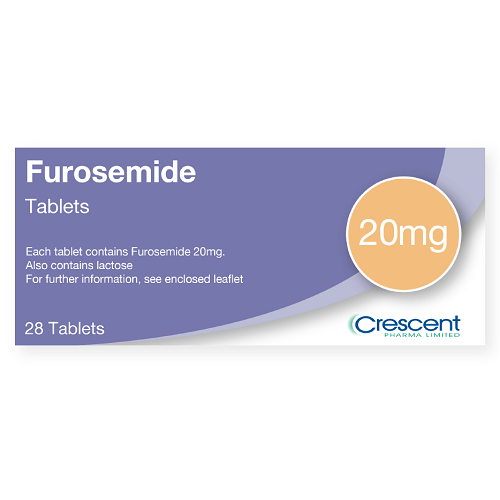
Furosemide is a prescription diuretic used in the United Kingdom to treat fluid build-up (edema) caused by heart, liver, or kidney problems. It acts quickly to help your body get rid of excess water and salt, but its effects can be dramatic—meaning both the benefits and the risks can show up fast. Before you start, know this: safety with Furosemide is all about balance and monitoring, not just following a set schedule.
The Real World of Furosemide: When It Shines, When It Worries
Picture a Tuesday morning in a busy NHS heart failure clinic. A man in his seventies arrives, ankles swollen, breath short, the memory of last night’s sleep lost to coughing and discomfort. His GP prescribed Furosemide last week. Now, he’s here for answers: Why does my swelling come and go? Am I taking too much? Will this sort me out, or is it just the beginning?
Furosemide is not just any water tablet. In United Kingdom, it’s the go-to when fluid overload threatens comfort or health—particularly with heart failure, chronic kidney disease, or advanced liver problems. Its power is immediate: patients can lose litres of fluid in a day. Relief often comes quickly. But so do risks—dizziness, cramps, life-altering fatigue, and the peculiar anxiety of not knowing if today’s dose was too much or too little.
“Furosemide changes lives, for better or worse, on a scale measured in days—not weeks. What surprises most people is how much their routine, their symptoms, and even their mood can be shaped by how their body responds to it.”
The promise of Furosemide is control—over swelling, over breathlessness, over the feeling of being weighed down by your own body. The trade-off is that control often requires careful adjustment, frequent checks, and an awareness of your own symptoms that goes well beyond taking a pill at breakfast. This is not medicine you can forget about for a week and expect to get away with it.
How Furosemide Works in Your Body—and Why That Matters for Edema
Furosemide acts on the kidneys—specifically, the loop of Henle. This is not trivia. This location means Furosemide can rapidly shift large volumes of fluid, lowering blood pressure and reducing swelling faster than most alternatives.
But that same mechanism is a double-edged sword. The speed and scale of fluid loss can tip the body’s electrolyte balance within hours. Low potassium, dehydration, and sudden drops in blood pressure are not side notes; they are part of the deal. For some, this means rapid relief—ankles slim, breath easier. For others, it’s a lurch into muscle cramps, dizziness, or confusion.
- Edema
- Swelling caused by excess fluid trapped in the body’s tissues.
- Loop diuretic
- A medicine that removes extra fluid by acting on a specific part of the kidney called the loop of Henle.
This is why Furosemide demands vigilance—by you and your doctor. A missed blood test or a skipped appointment can turn a helpful medicine into a dangerous one, especially if you are elderly, have kidney disease, or take other medications affecting electrolytes.
Furosemide vs. Other Treatments: What Sets It Apart in United Kingdom
Not all diuretics are created equal. The choice between Furosemide and its alternatives—bumetanide, bendroflumethiazide, or even spironolactone—depends on the type of swelling, underlying cause, and how quickly a response is needed. In the UK, Furosemide remains the default for rapid, significant fluid shifts.
| Medication | Type | Onset (oral) | Fluid Loss Strength | Common Indications | Prescription in UK? | Notable Risks | Monitoring Required |
|---|---|---|---|---|---|---|---|
| Furosemide | Loop diuretic | 30–60 min | High | Heart, kidney, liver edema | Yes | Dehydration, low potassium | Frequent: electrolytes, kidney function |
| Bumetanide | Loop diuretic | 30–60 min | Slightly higher | When Furosemide not effective | Yes | Similar to Furosemide | Frequent: as above |
| Spironolactone | Aldosterone antagonist | Several hours | Low to moderate | Liver cirrhosis, some heart failure | Yes | High potassium, breast tenderness | Potassium checks |
| Bendroflumethiazide | Thiazide diuretic | 1–2 hrs | Low | Mild edema, hypertension | Yes | Low sodium | Occasional: electrolytes |
Furosemide is chosen for its fast, strong effect—especially where swelling is severe or urgent relief is needed. Bumetanide is reserved for patients who do not respond to Furosemide, often due to absorption problems or advanced kidney disease. Spironolactone and thiazide-type drugs act more slowly and are better suited for mild or longer-term management, or for specific types of edema like liver cirrhosis.
What to Expect When You Start Furosemide: Real Changes, Day to Day
The first dose of Furosemide rarely goes unnoticed. Within an hour, many patients are heading for the loo, sometimes more than once. This is not just inconvenient—it’s a sign the drug is working. For some, the swelling in legs, ankles, or abdomen reduces within a day or two. Breathlessness, especially when lying flat, may improve almost as quickly.
- The urge to urinate can be sudden and strong. Planning your dose with a bathroom nearby is wise, especially for those with limited mobility.
- Body weight often drops within days, sometimes dramatically. Monitoring your weight at the same time every morning gives the clearest sign of whether Furosemide is working—or working too well.
- Fatigue, dizziness, or muscle cramps can appear if fluid is lost too quickly or if electrolytes (especially potassium) fall. These symptoms are early warning signs to discuss with your doctor, not reasons to stop on your own.
Some patients take Furosemide daily, others only as needed. Your prescription will depend on your underlying condition and how your body responds. In the UK, regular blood tests—checking kidney function and electrolytes—are part of the routine. Missing these can put you at risk. If your swelling gets worse instead of better, or you feel faint, see your doctor rather than adjusting your dose yourself.
Taking Furosemide Right: Dosage, Tips & UK Prescription Reality
Dosage varies. Some start on 20 mg once daily, others need 40 mg or even 80 mg split through the day. The right dose is the lowest that controls your symptoms without causing excessive fluid loss or abnormal blood tests. In hospital, IV Furosemide can be given for rapid effect, but at home, tablets are standard.
| Condition | Starting Dose | Maximum Dose (oral) | Notes |
|---|---|---|---|
| Edema (heart failure, CKD, liver) | 20–40 mg once daily | Up to 400 mg/day (in divided doses) | Adjust by response; high doses only with frequent monitoring |
| Acute pulmonary oedema | 40–80 mg (IV or oral) | As per acute protocol | Hospital setting; not for home use |
| Children (edema) | 1–3 mg/kg once daily | 6 mg/kg/day | Specialist supervision required |
Tablets are available in 20 mg and 40 mg strengths in the UK. Liquid formulations exist for those who have difficulty swallowing. Your GP or specialist will adjust your dose based on your clinical response, not just a standard number.
- Take Furosemide in the morning—unless otherwise advised—to avoid night-time trips to the toilet.
- Do not double your dose if you forget one. Take the next dose as prescribed.
- Keep track of your weight, swelling, and any new symptoms between appointments.
- If you notice muscle cramps, unexplained tiredness, or severe thirst, have your bloods checked.
Which Side Effects Matter Most with Furosemide—and When to Act
Not every side effect is a reason to panic. Some—like needing to urinate more—are expected. Others, such as severe dizziness, confusion, or an irregular heartbeat, are warnings that something is wrong. Patients in United Kingdom often worry about potassium, but equally important is watching for the less obvious: hearing changes, rashes, or signs of dehydration.
Below is a summary of side effects that matter most—when to watch, when to wait, and when to call for help:
| Side Effect | How Common? | When to Contact Doctor |
|---|---|---|
| Increased urination | Very common | No need unless unable to control or you feel unwell |
| Dizziness, lightheadedness | Common | If severe, persistent, or associated with fainting |
| Muscle cramps | Occasional | If frequent or severe, especially with weakness |
| Low potassium (hypokalaemia) | Common | If symptoms (weakness, palpitations), or blood test abnormal |
| Dehydration, severe thirst | Occasional | If unable to keep fluids down, confusion, reduced urination |
| Hearing loss, ringing in ears | Rare | Stop and seek medical advice urgently |
| Allergic rash | Rare | Stop and seek urgent help |
In practice, mild symptoms are managed by checking blood tests and adjusting the dose. Severe or unusual symptoms—especially new confusion, collapse, or hearing changes—need prompt action. Don’t wait for your next appointment if you feel something is wrong.
“The hardest cases are the ones where symptoms creep up slowly. Patients who have done well for months may develop subtle confusion, weakness, or loss of appetite. It’s often these early changes—especially in older adults—that signal an electrolyte problem or dehydration before blood tests even catch it. If a patient or family member is worried, I’d rather they ring for advice sooner rather than later.”
When Not to Take Furosemide: Warnings That Cannot Be Ignored
- You have an allergy to Furosemide or other sulfonamide drugs—this is an absolute contraindication and can cause severe reactions.
- You cannot pass urine (anuria)—Furosemide will not help and can cause harm. This is always managed in hospital.
- Severe dehydration or dangerously low electrolytes (sodium or potassium) are present—wait until these are corrected and your doctor has advised restarting.
- Liver coma (hepatic encephalopathy)—Furosemide may worsen confusion and is only used under specialist supervision.
Relative contraindications are more nuanced. If you have low blood pressure, mild kidney disease, or a history of gout, Furosemide may still be used, but with careful dose adjustments and close monitoring. If you are pregnant or breastfeeding, Furosemide is only considered when the benefits clearly outweigh the risks; discuss this with your specialist.
When in doubt, speak to your GP, pharmacist, or NHS 111 before taking your next pill.
Furosemide Access in United Kingdom: Costs, Pharmacy Pathways & NHS Support
Getting Furosemide in the UK is straightforward, but not always simple. It is a prescription-only medicine, never available over the counter. Most patients receive it via their GP or specialist, with prescriptions dispensed through community pharmacies. Repeat prescriptions depend on regular reviews—blood tests are the gatekeeper, not bureaucracy.
- NHS Prescription Charge: In England, as of 2024, the standard charge per item applies (£9.65), with exemptions for age, income, and certain medical conditions. In Scotland, Wales, and Northern Ireland, NHS prescriptions are free.
- Generic vs. Brand: Nearly all prescriptions are for generic Furosemide, which is as effective as branded versions but usually much cheaper to the NHS.
- Online Ordering: NHS repeat prescriptions can be requested through your GP surgery’s website or NHS app. Private online pharmacies exist but must comply with UK law—avoid sites that do not require a valid prescription.
- Monitoring and Follow-Up: You may be asked to attend face-to-face or remote reviews to check your blood pressure, weight, kidney function, and electrolytes. Skipping these may result in the pharmacy declining your repeat prescription for safety reasons.
In rare cases—such as during hospital discharge—you may receive a limited supply directly from the hospital pharmacy. For ongoing management, the community pharmacy is your partner. If your pharmacy is out of stock (an occasional occurrence), they can usually obtain supplies within one to two days, or suggest an alternative pharmacy nearby.
Furosemide is widely accessible in United Kingdom, with tight safeguards designed to keep patients safe. If you run into problems with prescription delays or cost, speak to your pharmacist or GP; there are often solutions available within the NHS framework.
FAQ: Furosemide Questions Patients Actually Ask in United Kingdom
- How quickly should I expect my swelling to go down after starting Furosemide?
- Most patients notice increased urination within an hour and swelling reduction within 1–2 days. The speed depends on your underlying condition and how much fluid you have built up. If there’s no improvement after a few days, contact your doctor.
- Is it dangerous to take Furosemide every day for a long time?
- Long-term treatment is often necessary for chronic conditions. The risks—mainly dehydration and abnormal electrolytes—are managed with regular monitoring. Many people safely take Furosemide for months or years under medical supervision.
- Can I take Furosemide with my other medications?
- Furosemide interacts with several common medicines, including ACE inhibitors, NSAIDs (like ibuprofen), and certain antibiotics. Tell your GP and pharmacist about all medicines you take, including over-the-counter remedies and supplements.
- What do I do if I miss a dose?
- Take your next dose at the usual time. Do not double up to ‘catch up’. Missing the occasional dose is rarely an emergency, but repeated missed doses can make swelling return.
- Why do I need so many blood tests on Furosemide?
- Because Furosemide can cause sudden changes in kidney function and electrolyte levels. Regular blood tests help your doctor adjust your dose and prevent complications.
- Can I drink alcohol while taking Furosemide?
- Alcohol can increase your risk of dehydration and low blood pressure when combined with Furosemide. Occasional moderate drinking may be safe for some, but discuss this with your healthcare provider first.
- Is Furosemide safe to use during pregnancy or breastfeeding?
- Furosemide is not routinely recommended during pregnancy or breastfeeding. In rare cases, a specialist may prescribe it if the benefits outweigh the risks. Always discuss with your healthcare team before starting or stopping Furosemide in these situations.
- Can I adjust my Furosemide dose based on how swollen I feel?
- No—dose changes should only be made after consulting your doctor. Adjusting your dose on your own can lead to dangerous dehydration or electrolyte imbalances.
- Does Furosemide help with high blood pressure?
- Furosemide can lower blood pressure, but it is mainly prescribed for edema. For high blood pressure alone, other medicines are usually preferred unless you also have significant fluid buildup.
- What should I do if I experience severe muscle cramps or irregular heartbeat?
- Seek medical advice as soon as possible. These symptoms may indicate low potassium or magnesium, which can be dangerous if untreated.
Sources and References
- Furosemide – NHS Medicines A to Z
- Furosemide Summary of Product Characteristics – EMC
- Chronic Heart Failure in Adults: Diagnosis and Management – NICE Guideline NG106
- NHS England Official Website
- European Medicines Agency (EMA)
- BNF: British National Formulary, BMJ Group & Pharmaceutical Press, 2024
- PubMed
- Medicines and Healthcare products Regulatory Agency (MHRA)